Scroll

Two Black birthworkers creating a multiracial community to share and learn from birth stories of all types.
Birth Stories in Color (BSiC) is a podcast for Black, Indigenous, Asian, Latino and Multiracial individuals to share their birthing experiences - a space that specifically celebrates, mourns with and supports them and their transformation through birth.
Birth Stories in Color (BSiC) also emphasizes the role of storytelling as a way to equip future parents. Listening to real birth stories is one way to discover the expected and unexpected parts of the journey.
We realize that there are birth stories not being heard. Our hope is that all who share and listen find this platform to be a community near and far, and an invaluable resource for navigating their own journey.
Meet Your Hosts/Doulas

Laurel Gourrier

Laurel is a reproductive justice and family advocate. With a masters in Special Education from the University of Wisconsin-Madison, Laurel began her journey of supporting families as a special education teacher/family advocate, specifically serving children diagnosed on the Autism spectrum. The birth of her first child led her to begin her work as a doula. Laurel provides families with information and tools to help them feel empowered by their own birthing experiences, as well as holding space as an ally to birth inclusivity through a reproductive justice lens. The core value of uplifting autonomy is the root of her practice. She currently supports families in Columbus, Ohio as a birth/postpartum doula and co-host of the podcast Birth Stories in Color (BSiC). She and her co-host Danielle, were led to create a platform honoring the art of storytelling and the voices of families of color.
Danielle Jackson

Danielle M. Jackson is a wife, mother, and reproductive justice advocate. Her work has lead her into labor rooms as a birth doula and behind the microphone as half of the podcasting duo hosting Birth Stories in Color (BSiC). Danielle seeks to empower women to birth without fear through remembrance and confidence. She holds a Bachelor’s degree from The Ohio State University and worked as a Family Specialist to help families recognize their strengths and build healthy support systems. Danielle focused her skills to doula services in 2016. Issues in our community have drawn Danielle to be a change agent in the ongoing fight for birthing justice in Columbus, OH. Birth Stories in Color (BSiC) grew from a shared experience with her co-host Laurel Gourrier at a Doulas of Color training as they quickly realized that women of color felt liberated to speak their truth and could not stop sharing their own experiences with birth.

The Stories
Featured
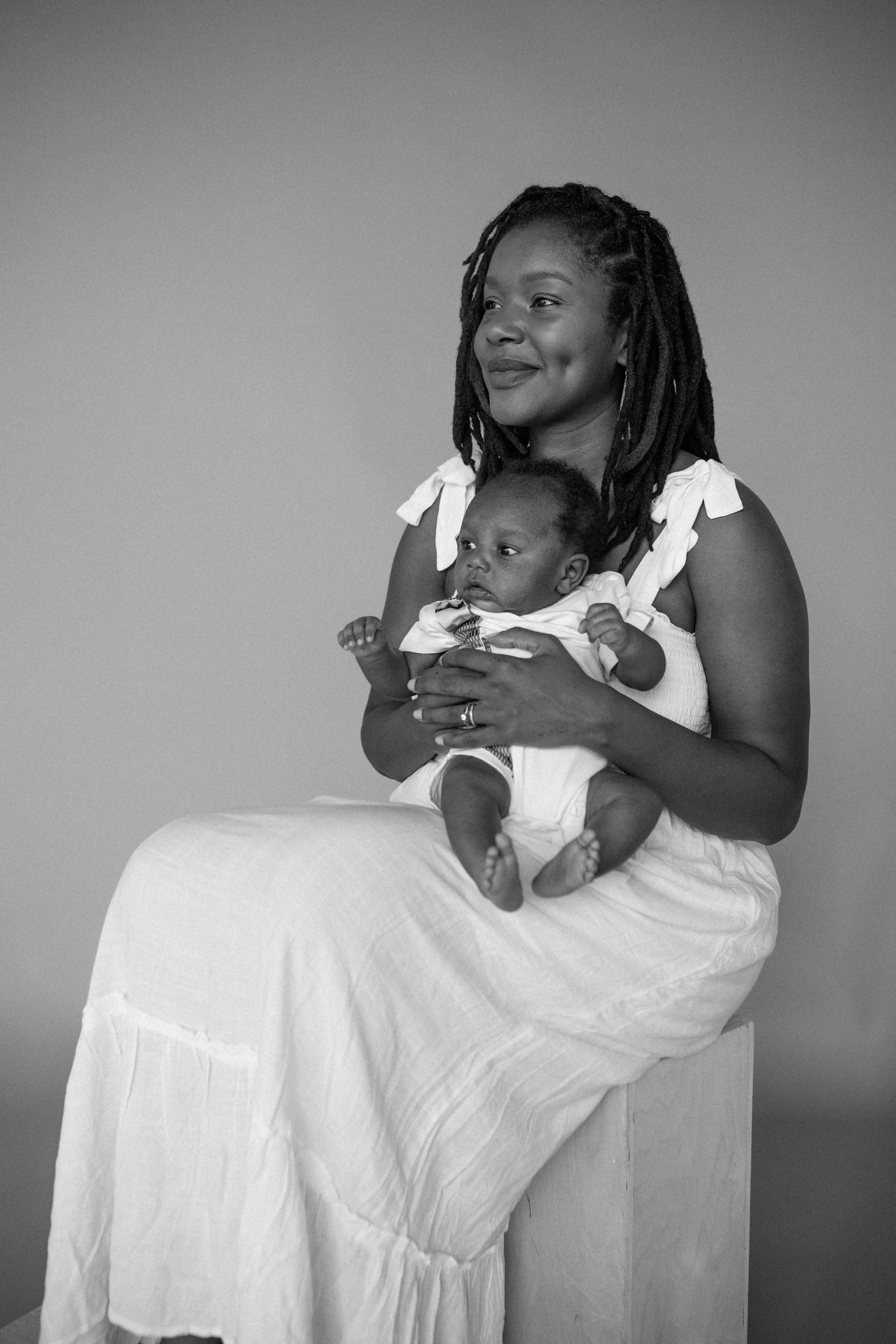
We met Ivory and Ernest together for the first time in 2021. They shared their miscarriage and the birth journey of their daughter, Zamya. Now in 2025, Ivory shared their story without her partner’s physical presence, and we welcomed his spirit in.
A beautiful surprise of a second pregnancy between Ivory and Ernest was met with conflicting ideas about the timing and the physical and mental adjustments. A few weeks into the pregnancy, gratitude and excitement replaced Ivory’s early misgivings. Parenting a toddler while pregnant proved to be more of a challenge than Ivory anticipated. She laid the groundwork for a healthy pregnancy and prepared for a homebirth this time. Midwifery care, additional care with an obstetrician, chiropractic care, and regular massages allowed her to feel at ease as they prepared for birth.
Towards the end of the pregnancy at 34 weeks, Ernest experienced a severe headache that led them to take a trip to the emergency room. He was sent home without a diagnosis. About a week later, he experienced a catastrophic aneurysm rupture while visiting his favorite coffee shop. He was rushed to the hospital. The prognosis was difficult as the doctors could not offer answers, but they explored all of the options. In those early hours, Ivory started to see gestures of care and intention moving through her community. She was faced with holding life in her womb, raising life in her home, and the fragility of life holding on in the hospital. She held on as she was held.
Labor came. She prepared her space with affirmations, photos of her and Ernest filled the space, a friend facetimed from Ernest’s hospital room, and everyone on her birth team followed her lead. Baby Zenith was born peacefully at home.
Postpartum came with some ease as she was nurtured at home. Ivory struggled more emotionally with balancing joy and sadness. The hospital supported their family by moving Ernest to an area that would allow the baby to come with Ivory during visits. Ivory shared her experience managing care for herself, her children, and her husband. She attributes her practice of gratitude as a source of strength and community care through it all.
Ernest Levert Jr. joined the ancestors on January 8, 2025.
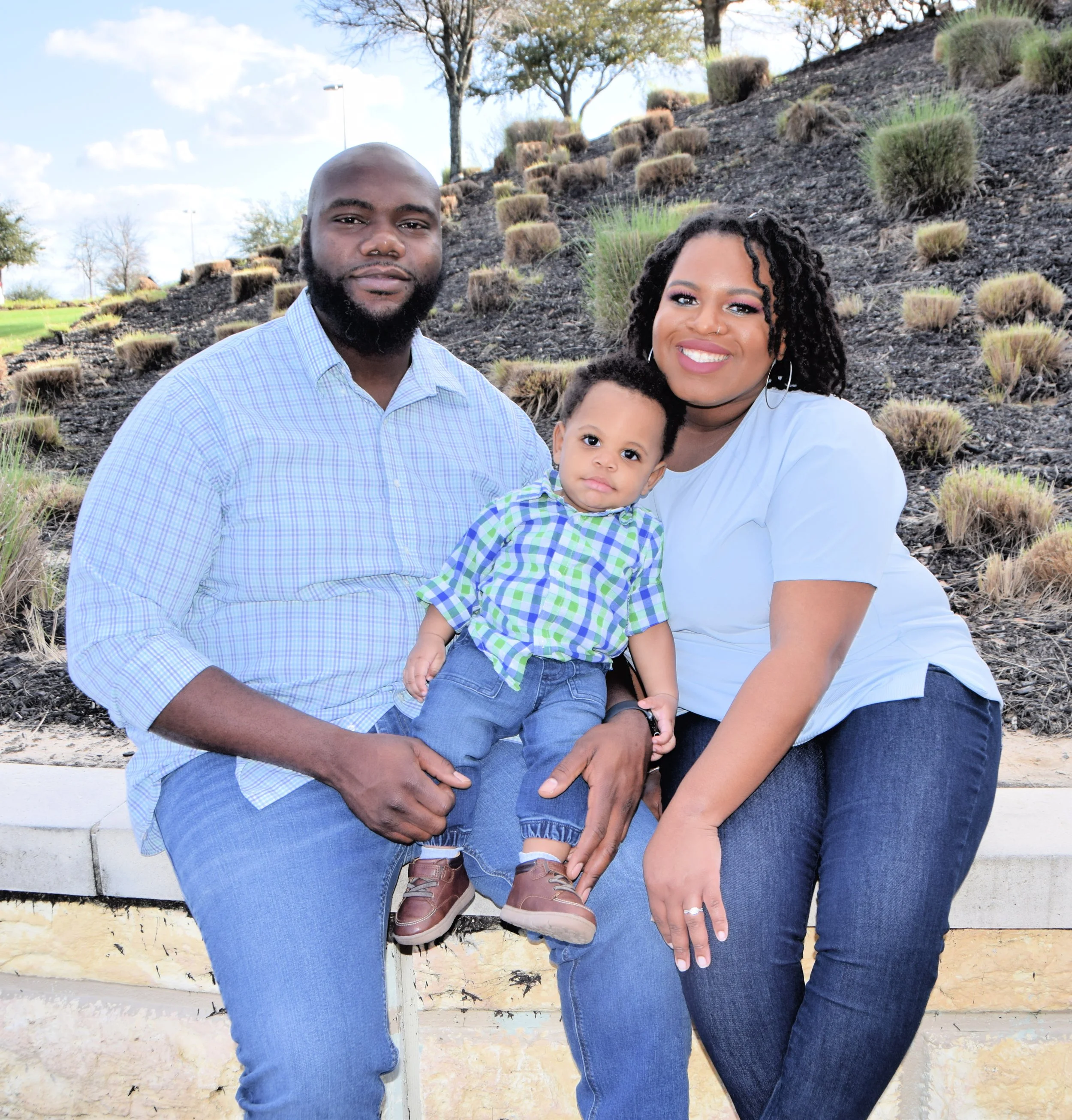
Javana’s birth experience taught her some important lessons about self-advocacy and the current structure of maternal health in the United States. The gaps in education about options and the variance in how providers operate through the perinatal process led her down a road of challenges and fear.
Over thirty hours of labor started with mild, irregular contractions and pieces of her mucus plug releasing. Javana experienced irregular labor patterns that kept her home until her water broke. That shifted her mindset to watching the clock and did not feel like she her labor was intense enough to be in active labor. She attended her scheduled doctor's appointment and she was 2 cm dilated. Her doctors advised her to go to the hospital later in the day and suggested mid-afternoon. Arriving at the hospital led Javana down the cascade of interventions that started with an IV against her wishes. Labor started to feel isolating in that she felt alone and unsupported by her nursing team. Eventually, Javana accepted more interventions than she originally intended and an epidural helped her get some rest after being in labor for so long. Her most compassionate caregiver was the anesthesiologist, as he listened to her and talked her through the challenges of placing her epidural. After that the baby had some heart decelerations that concerned the care team. Javana was exhausted by the entire experience and she consented to a surgical birth.
After a challenging birth and hospital experience, Javana chose to honor herself in her motherhood with experiences of joy. She feels prepared to embark on her second birth with more knowledge and understanding of what could be.

The year 2020 will forever be etched in the minds of those who lived to tell the tale. Oh, the stories we will tell. The smoke and mirrors were dispersed and the United States revealed its true self. We bore witness to Riot, after Riot, after Riot. The revolution appeared to be televised after all. But deep in our communities the true revolution was brewing. Many Black women and birthing people continued to give birth despite the headlines, the statistics, and the odds stacked against them. But they didn’t just give birth; they gave birth how they wanted, where they wanted, and focused on what was most important to them.
The Williams chose to keep their pregnancy to themselves aside from their parents. Their birth plans were kept under wraps and allowed them to keep out the noise, opinions, and outside stressors. Chris and Raquel chose a homebirth with a midwife and a doula.
Holistic care equipped Raquel with education, mental fortitude, and an understanding of what childbirth could include. When she started to feel the small ripples of early labor she contacted her birth team which included her midwife, doula, and birth photographer. Chris was spending the day attending graduation ceremonies for his students. Raquel told Chris he was fine to go and she knew it would be fine. They had a late dinner but didn’t set up the birthing tub because it was too late in the day. The waves were not close enough for her to think that she was in active labor. She checked in with her midwife and she told her to use her discernment. Raquel took a Tylenol PM and they enjoyed a movie and facials until she fell asleep. Around four in the morning, Raquel stated that she had to poop. They went down together, Chris could see her from the door, and as Raquel made a maneuver he said, “I don’t think that’s poop.” Chris was scared that the baby had died, due to the shape and stillness of her head. Meanwhile, Raquel was in a calm, zen state as she assured Chris the baby was ok. They were able to Facetime their midwife to manage the delivery of the baby. Chris caught their baby with a nuchal cord and unwrapped it and placed the baby on Raquel’s chest. The midwife entered the house shortly after. Dani and the birth photographer joined them shortly afterward for postpartum support and photography.
Immediately postpartum, they walked back down the hall with their baby. The experience of having their team come to them and the care that was provided for them had them in awe. Raquel believes that everything we need to have children… we already have it. We’ve been having babies like this forever.

Our guest, CEO of Emagine Solutions Technology Courtney Williams, is the creator of The Journey Pregnancy App. The app enables patients to vital signs during pregnancy and then transmits this information in real-time and creates a record. Beyond that it issues a call to action for users to contact their providers when they enter vitals that are out of bounds based on ACOG standards. This technology was developed after Courtney experienced Postpartum Preeclampsia, a rare condition that occurs when you have high blood pressure and excess protein in your urine soon after childbirth. She was already working in maternal health technology.
Courtney’s pregnancy started in 2019; she gave birth at the height of the first wave of the pandemic in 2020. The pregnancy started well; she ate right and worked out daily. But the gym access stopped due to the pandemic - unfortunately, this was a major stress reliever for Courtney. She also utilized acupuncture with a naturopathic provider. Eventually, she lost access to that support due to growing concerns due to the pandemic. It had been helpful for morning sickness; this was another hit to her emotional support.
A week before the childbirth, Courtney's son measured big and they were scheduled for a surgical birth; which she was ok with because it eased her uncertainty. Unfortunately, the hospital would not allow her doula to be present. Courtney’s husband was her sole support during the birth and everything went well as they welcomed their son. In the hours and days after the birth, her body started swelling. Courtney presented with a headache and pronounced chest pain five days postpartum. She attempted to contact her provider but did not get a response; she decided to go to the emergency room, where she was diagnosed with Postpartum Preeclampsia. After returning home, she needed to report to her doctor’s office multiple days in a week for blood pressure readings. This brought about challenges in their breastfeeding/pumping journey. Courtney was surprised that there wasn't technology to ease the challenges for new parents to go to frequent appointments during the early phases of postpartum.
We will save ourselves. We have everything we need within ourselves to rebuild birth better. Being active participants in our care, engaging providers who acknowledge and respect our voices, and equipping ourselves with innate knowledge and an understanding of how our unique bodies respond to pregnancy are key components in creating safer, joy-filled birth experiences.
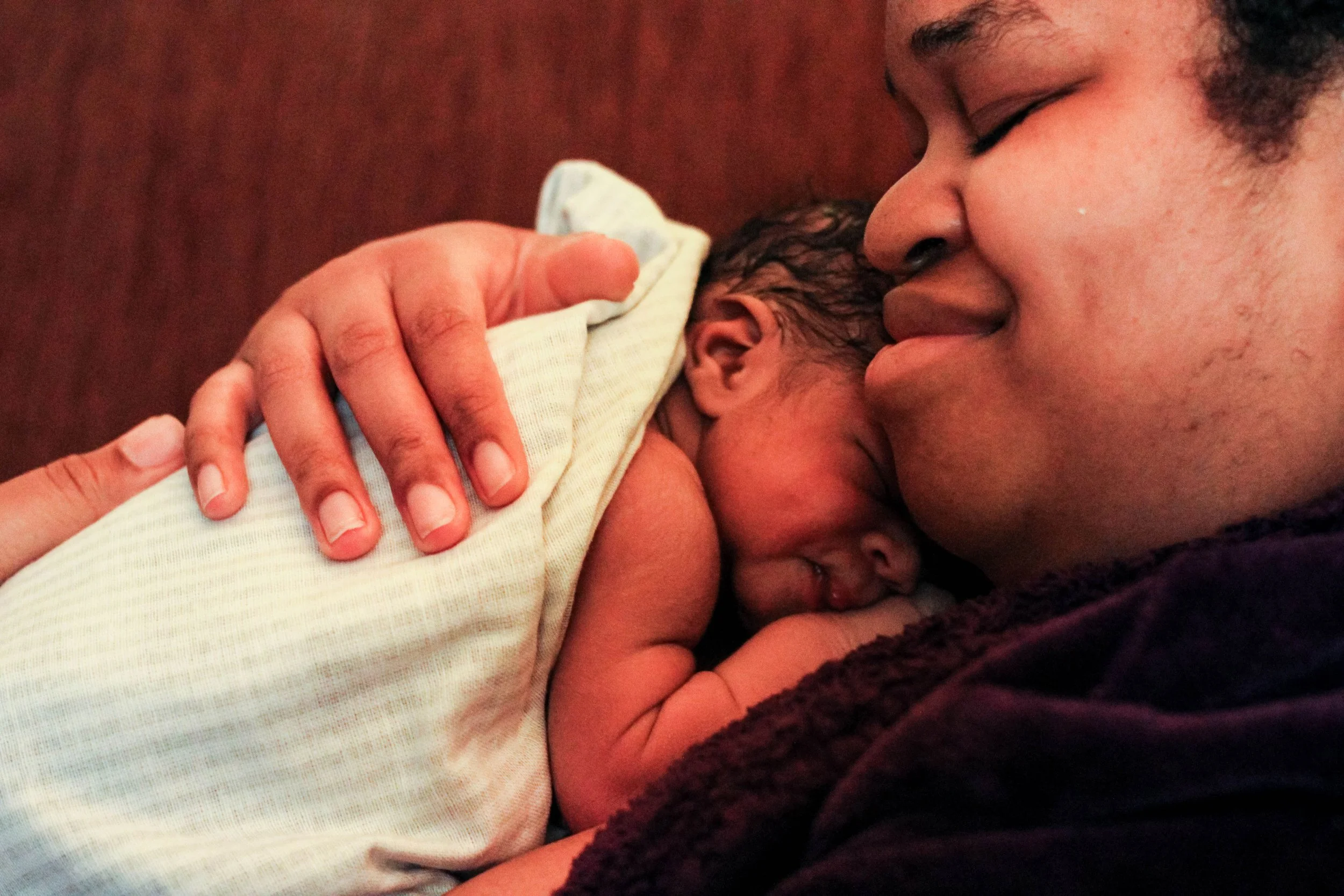

Stacee describes her current state of being as her motherhood era. She has birthed two of their children with her husband, and to look at them now you would have no clue what it took to get here. Conception did not come easy. Childbirth brought its challenges. Postpartum complications nearly ended it all. Stacee and Shawn’s family was forged in the fire. Stacee and her husband, Shawn, held strong to not only each other but to their dream of adding to their family as well.
While Shawn and Stacee’s story details two live births, their first pregnancy ended in a miscarriage. A miscarriage that has allowed Stacee to be empathetic of those who have endured similar experiences. She talked about the feelings of isolation and loneliness that is matched with the mystery of miscarriages. The inexplicable loss of a child whose life is not yet deemed viable and the lack of compassion in medical settings as it’s happening.
Welcoming a new life into the world is a joyous occasion, but the postpartum period can bring about various health complications for mothers. While many women and birthing people experience a smooth recovery after childbirth, it’s essential to be aware of potential challenges and seek timely medical attention when needed.
Excessive bleeding after childbirth, known as postpartum hemorrhage, can be life-threatening. Healthcare providers closely monitor mothers for signs of hemorrhage and may intervene with medications or, in severe cases, surgical procedures to control bleeding. Stacee found herself faced with this after her first birth. Her immediate postpartum journey started with stabilizing her daughter's blood sugar levels which led to the discovery that she had a rare condition that not only needed special treatment but a specific medical team an hour away from where they lived. They took a medical flight, while Stacee was barely able to acknowledge any of her own needs. During that trip, as her daughter was getting the help she needed at a pediatric hospital; Stacee eventually went to the hospital next door for her own care. They discovered that she still had sponges inside of her from her surgical birth and was having a postpartum hemorrhage.
Pause. Breathe. Sit.
The emotional enormity of a near-miss affects everyone in the family. Stacee is here to share her story. Shawn is here to share his vantage point of their story. Their babies are here to love their mother. Stacee and Shawn’s words carry the weight.

Esther McCant, founder and CEO of Metro Mommy Agency, opened up about her five pregnancies, which included a miscarriage that would push her to self-advocate with her medical provider.
Esther’s first pregnancy happened within the first few months of her marriage. Six weeks later, she learned that she had a blighted ovum and her provider prepared her to miscarry. She had the choice to let the ovum pass or go to the hospital for a DNC. She stayed home as long as she could but eventually went to the hospital. Esther recalled the doctor taking quite a while to see her, and when she did she insisted that Esther still needed a DNC even though everything had passed. She felt threatened by the doctor about the potential that she could bleed out. This interaction helped Esther to trust herself. She chose to leave and go home. The grieving process started; she became pregnant again within a few months. The hospital miscarriage experience led her to want to explore other birthing options. Her sister-in-law invited her to her calming water birth; which helped her see a new vision. Esther found a midwife who resonated with her and a doula who could support her choices. The midwife was able to support her in a birthing center. Baby would arrive with a nuchal hand and in the OP position by squatting.
The third pregnancy brought on changes that would impact her nutrition, wellness, and the birthing environment she desired; which included a water birth. Feminine energy filled the birthing space by inviting her sisters-in-law. Her son’s birth was challenging as she had back labor. She regrets not getting chiropractic care and having a doula this time. Postpartum was filled with engaging with other women as opposed to the more isolating experience she had after her first birth. They had moved from Florida to Alabama, and the difference in provider options was vastly different.
When Esther thought she was in labor they made the two-and-a-half-hour trek to Chattanooga to no avail as the baby was not ready. They turned the trip into a babymoon and would make the trip again a couple of days later. Esther and her husband brought the kids along to meet up with her family who would care for them. They didn’t make it there on time due to a flat tire problem. Esther gave birth within 6 hours of leaving their home and although she felt distracted by having the other children there and wondering where her family was. Esther’s Haitian roots welcomed the Haitian bath, teas, and essential oils, and started the restoration process with her mother coming to support her.
When Esther had her fourth son, she was a trained birth doula. She envisioned a waterbirth with her partner, two midwives, and two doulas present. The birth and pregnancy were heavy in dealing with the ongoing race issues in our country and the experiences of Black men and boys. Giving herself space to release those feelings during long labor allowed her to relax in her body and give birth smoothly. Her vision would come true as she delivered her son in a haze of joy.

In 2020 in collaboration with Heather Gallagher (photojournalist Heather Gallagher photographer), we highlighted and amplified the voices of black fathers in our community. We are thrilled, to be able to bring the series back with five fathers from our local Columbus, Ohio community. Four of them sharing with us a little bit of who they are, what fatherhood means to them, and the joy in their journey.
A special layer to this year was giving these fathers their flowers of celebration in partnership with Black Men Flower Project, and The Bloom Boutique 614. Black Men Flower Project gives blooms to show appreciation to Black men - honoring their life in the present moments. One father shared that this was the first time he had ever received flowers - beaming with pride, he exclaimed "I feel pretty!"
These voices and their lives are a gift, and we are truly grateful and honored to share them with you all!

Raena Boston, Founder of the Chamber of Mothers and The Momtras, joined us to share her three birth experiences and the makings of motherhood. Raena's first pregnancy lead her down a new path for her family by choosing a birth center instead of a hospital. Her provider was off-putting and the idea of shifting to different providers within the practice helped her make the decision.
The birth center experience with Baby Aksel was beautiful. She arrived at the birth center at 4 cm dilated after a night of laboring at home. Her husband, Travis, and their doula were supportive and helped her manage labor and delivery.
Their second pregnancy would be a "happy accident" 10 months after their first son was born. They chose to work with the birth center again. Baby Asher came a little over a week passed his estimated due date. True to form Raena arrived at the birth center 6cm dilated with the understanding of her body's needs helping direct her labor.
2021 would usher in another "happy accident" after they chose each other and worked on their relationship. This pregnancy and birth would be during the pandemic. They wanted to use the birth center again. During a 38-week appointment, Raena was handed a packet for her appointment and a slip of paper fell out that read "BMI-out of bounds". She was instantly triggered by this and started to feel agitated. She then had a high blood pressure reading that led to a conversation that would make a major shift in her pregnancy. Raena's blood pressure continued to get higher as the days passed. She and Travis had started conversing about switching to a homebirth with another midwife. Her blood pressure reached 174/106; they planned to go to the hospital.
Transitioning their birth plan was mentally challenging but after getting settled into the idea that she would stay at the hospital. Raena was able to maintain a decent BP without continuous high readings. They started an induction when Raena was ready, as she wanted a different doctor on call. The staff at the hospital was mindful that the hospital was not her first choice and worked with her through her options. The environment wasn't ideal; she pushed through her expectations. The intensity was high and the doctor wanted to break her water. She felt unheard and over-talked during labor. Raena pushed their baby out, and Travis announced the sex. They were on a high as they acknowledged that they had survived a challenging season in marriage and were proud of themselves as a couple.

A few years have passed since we last heard from Dasia. She shared her first birth story which included a home birth transfer to the hospital where she endured birth trauma.
This second pregnancy was unexpected but welcome. Her threshold of knowledge had shifted not just within birth work but what she knew about herself after becoming a mother for the first time. In retrospect, she acknowledges that she wanted to repair the issues of her first traumatic birth and didn’t allow herself to sit in the joy and miracle of the second birth. She dove head first, determined to create a birth dream team and the home birth of her desires. She found a doula and midwife that aligned with her needs. The desire to prepare her body for labor and commit to her care was strengthened by weekly commitments to a chiropractor, massage therapist, and float therapy. When asked if she sought mental health therapy during this pregnancy Dasia took us through a moment of self-reflection. She remembers researching therapists and never pushing forward. There is resistance to seeing one’s self as deserving and not minimizing hardships about other difficult times. Her husband and best friend, Juvante, was working out of town for the majority of the pregnancy. His physical absence was the removal of her sounding board and being seen. This was an emotional strain but she still felt mentally sound, which made it feel less pressing to address. The idea of invalidating our own experiences is sitting with her and is allowing her to pause in the now. Unpacking this birth was two-fold as Dasia prepared for survival and maintained her plan to birth in a safe space.
Dasia’s labor started during her braiding appointment. Although she thought they were Braxton-Hicks her stylist sped up the process. Dasia consulted with her doula and midwife and they told her things would come as they were supposed to. She spent the rest of her day with her family as the contractions continued. The frequency and intensity of the contractions increased. She kept denying the labor but gave herself space to eat and rest. She finally informed the birth team how the day was going. She experienced a sharp pain through each contraction. She wasn’t concerned but wanted to relieve it. Dasia came into acceptance of labor as she tried to take a warm bath that did not slow things down at all. There was a fear of losing stamina that stemmed from the first birth that pushed her to rest. The midwife arrived around 2:00 am and peacefully joined the space. Her husband stepped in as her doula as he was ever-present and supporting her needs. Squatting through her contractions while her husband held her felt deeply vulnerable. She could feel the shifts in engagement and transition proved mentally challenging as she was processing that her home birth was happening. Instincts kicked in and her body made the shifts needed to plant her feet in the present. Her husband told her he can see the baby’s hair and they welcomed their second baby girl shortly afterward.


This is a story that includes loss - In memory of Troya Simone
Kay’s expectation of pregnancy was to feel joy. Her life was falling into place the way she wanted it to regarding her personal and professional life. She inquired about the effects of her workload and the pregnancy. Her provider said as long as she felt good, she could continue working the way she had been. Despite her provider's reassurance, she decided to start scaling back her work as a chef/entrepreneur. A few weeks later, she started feeling bad while she was at a party. She had a high pain tolerance and found herself pushing through without seeking help, submitting to the strong Black woman persona. The pain continued, and Kay called 911; she woke up in the ICU. Kay lost her baby. She lost the joy in her pregnancy. Her daughter was stillborn. She couldn’t hold her, not because she wasn't allowed but because she didn’t want to; there was a disconnect. Ten years later, she still feels that loss.
Life after the loss was harder than the loss. The words of her friends and family weren’t comforting. The idea of another opportunity to be pregnant again didn’t soothe or heal her. Give it time; tough words that proved to be isolating. The help she needed was hard to explain. She couldn’t articulate what she needed even when people asked her directly. Kay described herself as a broken plate without enough glue to put it back together.
A rebirth at 7-8 months postpartum saved Kay. She could feel herself withering away. The domino effect of infant loss started and shifted her community, the loss of things and people, friendships, and relationships, including her partner. They had to separate and rebuild from scratch after Kay spent some time to herself in deep healing. Journaling her feelings helped her explore her patterns and how to dictate the outcomes of her days. She started asking people about their birth stories, which opened the door for people to talk about their losses, abortions, joy, and pain. Kay saw the mental health needs of birthing people as a new cause to fight and build for. Her life as a chef was winding down as she fulfilled her commitments without the love for the work.
Kay’s passion for Black Maternal Mental Health grew The Shades of Blue Project. Centering the experience of birth and not the outcome is inclusive and not isolating. Social support in the form of diapers, formula, etc. Mental health support for losses of all types, miscarriages, stillbirths, and abortions. Creating safe spaces that are accessible for the people, decreasing barriers to resources, help serve those who need it most. A beautiful boutique designed to empower its clients to be engaged in their own experiences with dignity. What you do for yourself helps you serve others. This year (2023) the Black Maternal Mental Health Week, created and hosted by Kay and The Shades of Blue Project, will continue their I.N.S.P.I.R.E. Method training. The intention is to provide compassionate care methods specifically for women of color and minorities, which doulas can implement, midwives, clinicians, and those facilitating support groups.

Creatives Jenni & Bryson had built a life together, centering their work in music and writing before their baby girl joined the family. Their pregnancy journey started with extreme nausea for Jenni. She sought medical support for her discomfort and found relief in prescription nausea medication. Jenni was interested in midwifery care but was “risked out” due to blood pressure issues. However, she was able to find medical providers that met her needs.
Deep-seated fear surrounding dying during childbirth under the care of hospital providers had settled into Jenni’s psyche. Routine prenatal appointments left her second-guessing the information she received from her providers. Jenni reached out to other Black medical and birth professionals for reassurance and additional information. The challenges of being a pregnant Black woman felt mentally heavy, constantly trying to read between the lines and discern information for accuracy. She found herself being very direct when with her care providers as she needed an induction. Jenni was concerned about a pulmonary embolism as she saw it in the media as a common cause of death or challenges during childbirth. She discussed a plan of care if she developed clots before consenting to her subsequent surgical birth.
Jenni and Bryson chose a surgical birth after a prolonged, four-day induction. The surgery was a shift from her vision but ended up being the most positive and relieving part of her labor and birth story. Jenni felt good after her birth in terms of pain management. Once her body calmed down when they were at home, she could feel the sleep deprivation in conjunction with breastfeeding challenges. Their daughter had screaming fits that led them to call the nurse for support; that night, their nurse explored the idea of one night of baby formula. Jenni gave herself permission to rest by using supplemental formula for the night. Bryson ventured out in the middle of the night to purchase a can. However, when he returned to the house, all was well, and their baby girl had nursed. The reassurance of having a backup plan to feed their baby gave them some relief and peace. Their breastfeeding journey has been enjoyable for Jenni and their baby girl.

Black & Queer Mama, Shay Australia and her Filipino partner, Paul, took a deep dive into preconception into what pregnancy would look like for him and her clear expectations of his engagement. He was locked in and in agreement with how he wanted to show up. They both made changes during the pregnancy to improve their health, which included smoking cessation and abstaining from alcohol. They made a commitment to be involved with doula and midwifery care. After trying to conceive for a few months without success, they took a break from trying and they found out they were expecting soon after. During their break, Shay attended a doula training and gained a wealth of knowledge that she immediately found helpful.
Deep-growing fears about bringing their baby earthside started to cause anxiety for her. Knowing her baby was safe within her body was assuring. However, the time would come when she would have to manage parenthood in the outside world. They started to develop a birth plan and decide who to invite to their sacred space. Her midwife helped her set the tone and environment that would welcome their child. They started curating a list of people that best fit the space they wanted to create. This exercise made way for uncomfortable conversations with people they loved. Managing conversations about gender identity was critical in creating the family dynamics and open communication they desired. These conversations and challenges with relationships through the pregnancy drastically changed her initial ideas about birth presence. Isolation set in, causing emotional stress but allowed her to center herself and Paul as they stepped into this new chapter together.
Paul and Shay’s labor and delivery experience started after a week of prodromal labor. They were deep in labor land at home until they decided when they could go to the birthing center. The midwife met them at their home to support and monitor her progress. Shortly after their time together, they were ready to transition to the birthing space. Contractions were building as the intensity grew. Shay felt fully supported to trust her body and baby to birth. She reached the point of no return as the baby slipped out quickly. They bonded immediately as their lactation journey began with the newborn crawl.
Shay stands by setting boundaries in life, especially during pregnancy for expectant families. She has created a series of books about motherhood and a birth story journal that helps birthing people process their pregnancy and labor in real-time and as postpartum support.
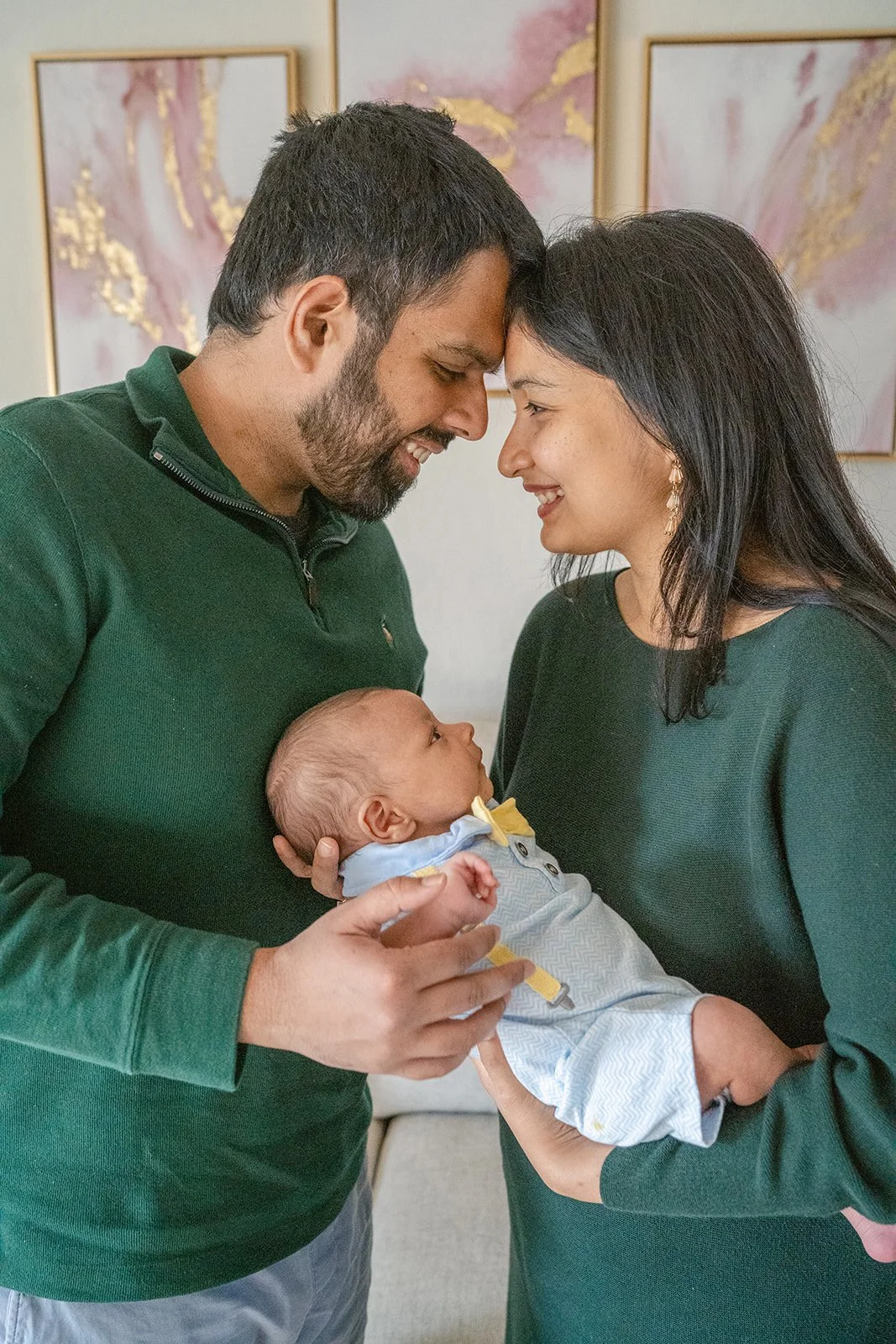
With the culmination of a marriage biodata form, a year of cyberstalking, and the power of liquid courage Priya and Harsh finally connected. After a short courtship, they would marry during the Covid-19 pandemic. The couple found out they were expecting their first child while still managing the pandemic and the challenges it would bring to their parenthood journey. They were committed to learning how to prepare for birth.
Due to the nature of the pandemic and limited access to additional hospital guests, Harsh took on the task of learning doula skills. He studied physiological birth and ways to manage the birthing space, which included the BRAIN acronym (Benefits, Risks, Alternatives, Instinct or Intuition, and Nothing). These skills were instrumental in making decisions for Priya and baby as shifts arose.
On the day labor started, they tested their new skills and managed laboring at home until they suspected a ruptured membrane (her water broke). Because they were unsure of the leak, they contacted the hospital and planned to make their way in to check and bring their bags in case they needed to stay. They were informed that it was hospital policy to keep patients whose membranes had ruptured regardless of their stage of labor. Priya and Harsh kept busy by having a dance party and keeping Priya active as much as possible to help the baby engage and progress. Harsh was attentive and helped Priya build her oxytocin levels. She recounted the magical feelings she had with him being there. Their partnership was in full bloom in the birthing space.
After 3-4 hours of pushing and intense back pain, Priya’s provider recommended a surgical birth. Harsh and Priya agreed that after discussing their case and acknowledging all of the hard work she had put in, to make an empowered decision to have a surgical birth. Harsh praised the caregiver team as the surgery was efficient and smooth. They met their son and gently bonded with him as Priya continued to receive care.
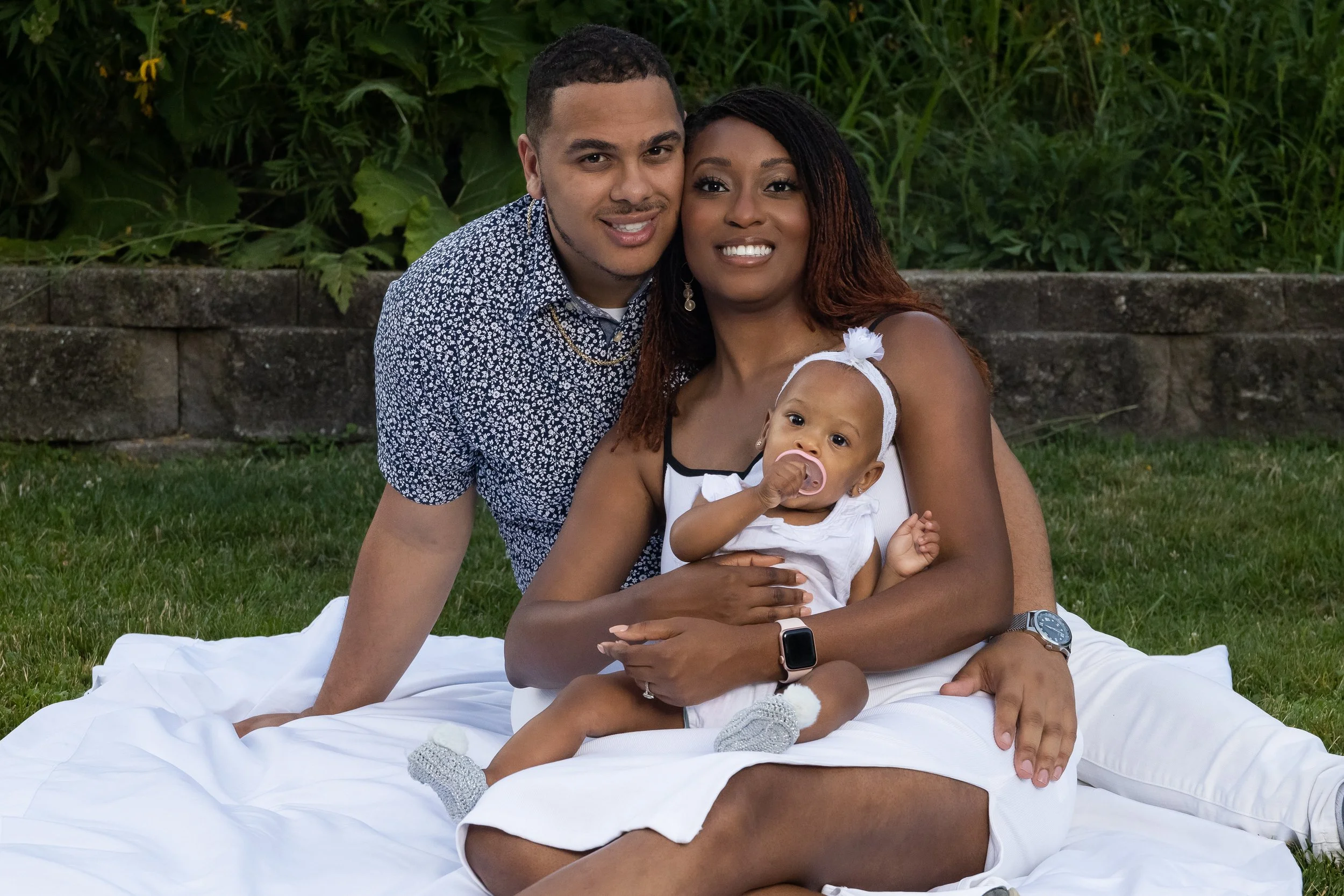
After a high blood pressure read at 20 weeks gestation, Mya started care with Maternal Fetal Medicine out of an abundance of caution. Seven weeks later, she would report to the hospital with a headache, feeling sick, and an even higher blood pressure reading, ultimately diagnosed with preeclampsia. Mya, a registered nurse, immediately knew her birth would be different than expected. Her doula met her at the hospital, as she was still being monitored and trying to keep the baby in utero as long as possible. Mya faced many decisions regarding her care about how she wanted to deliver her daughter; vaginal induced birth or surgical birth. She decided on a surgical birth. Mya wanted her husband to be engaged in the process by being able to cut the cord. During delivery, she was still managing her blood pressure through medications, magnesium sulfate, and Labetalol. The magnesium sulfate was hard on her body as it caused nausea, and she wasn't allowed to eat during administration. Balancing different rooms to stabilize her blood pressure and monitoring; went on for eight days until her daughter was born. Mya noted that administering medication for a patient versus being the patient was a very different experience. She had to step out of her "nurse mind" to be able to advocate for herself.
As baby Aria's umbilical cord showed signs of inadequate blood flow; Mya initiated the request for her cesarean birth. She would enter the world healthy, screaming with her eyes wide open. She weighed a little over a pound and was rushed to the NICU with her father. Mya stayed at the hospital for three additional days. She was ready to go home for rest and nourishment, but it was gut-wrenching to have to leave her daughter at the hospital. Thankfully, she had started pumping and was able to deliver several tubes of colostrum to the NICU before leaving.
Mya's birth experience has allowed her to become more vulnerable. She confided in her husband and parents that she was not okay and leaned into them for support. She shared the term NICU PTSD and the effects it can have on new parents. Mya had to face the reality that her child might not come home. Therapy was her saving grace to cope with anxiety and concerns about Aria.
From her own experience, Mya is creating a virtual safe space for moms to connect. Advising new parents as a trained doula Mya has developed a list of tips for expectant families. Start with researching providers, hire a doula to support you and prepare you for birth, learn about the NICU facility in the hospital, and hire a lactation consultant that makes you feel comfortable. You can connect with more of Mya's journey and support offerings here.

Dr. Nicole Carter founded HUES Women's Advocacy Institute to train Women of Color as health and wellness advocates to support other Women of Color in self-efficacy and advocacy. Her work stems from a personal experience managing three autoimmune disorders and connecting with her college students about their shared health concerns.
She took on the responsibility of helping the students learn how to navigate health systems. The organic relationships built with the college students were the catalysts in creating the institute.
Dr. Carter steers the focus beyond changing patient behaviors by addressing the actions of medical providers. Their provider-based institute teaches medical professionals how to provide inclusive, equitable care that centers on the history and lives of Black, Indigenous, and Women of Color.
HUES was founded in the Summer of 2022; they have hit the ground running by garnering support and buy-in from the community. The intention is to continue hosting live events and growing their institute participants. One of their initiatives is the Blooming Circle of Advocates. The idea is that a flower blooms from one gene to help it bloom. It can take just one person to advocate for you or listen to you and change the trajectory of your care. Care should be intentional and thoughtful, which is why HUES delivers education for providers and care seekers.

High school sweethearts Elizabeth and Luis started to build their family shortly after marriage. There was no family history of infertility, but after many conversations within their circle, they felt it was worth starting a family as soon as possible. After learning more about ovulation tracking, they were expecting their first child without any challenges.
Fear of birth was built up by not knowing enough about the process - education helped release this fear. They took childbirth education and prenatal yoga together, which also helped them bond in the experience.
When they arrived at the hospital for labor, Elizabeth started to feel the cascade of interventions taking away her voice. She felt disconnected from her body after receiving an epidural. The pushing stage was long, three hours long. The feelings of joy she expected when her daughter arrived earthside were replaced with relief. It was over. Their nursing journey started as painful as the baby had a lip tie. Elizabeth didn’t feel equipped with proper knowledge of breastfeeding and pumping. Their discharge felt overwhelming, and they would go home with a crying baby with minimal support. They hired three different lactation counselors and endured two lip tie procedures. Elizabeth was determined to have a nursing relationship with her daughter, and she did.
Elizabeth wanted something different for their second birth as she recalled her first pregnancy. This time she was diagnosed with gestational diabetes, which pushed her to make some health and nutrition changes as she worked through the initial shame she felt from the diagnosis. Sharing her diagnosis with friends and other birthing people helped her work through the emotions as others shared that they had endured the same. They hired a doula to provide additional support for managing the pregnancy and labor.
Labor was spontaneous, and she managed the contractions at home in a way that felt good and empowering. She isolated herself as labor progressed. Luis was more engaged during labor as he found his role this time. They would arrive at the hospital already 9.5 cm dilated with a cervical lip. She had created an environment to stay connected to her body with music and utilizing an eye mask during contractions. Elizabeth maintained her voice throughout her hospital experience. She asked questions and spoke up when she needed help. They welcomed their second daughter less than an hour after arriving at the hospital feeling joyful and empowered.
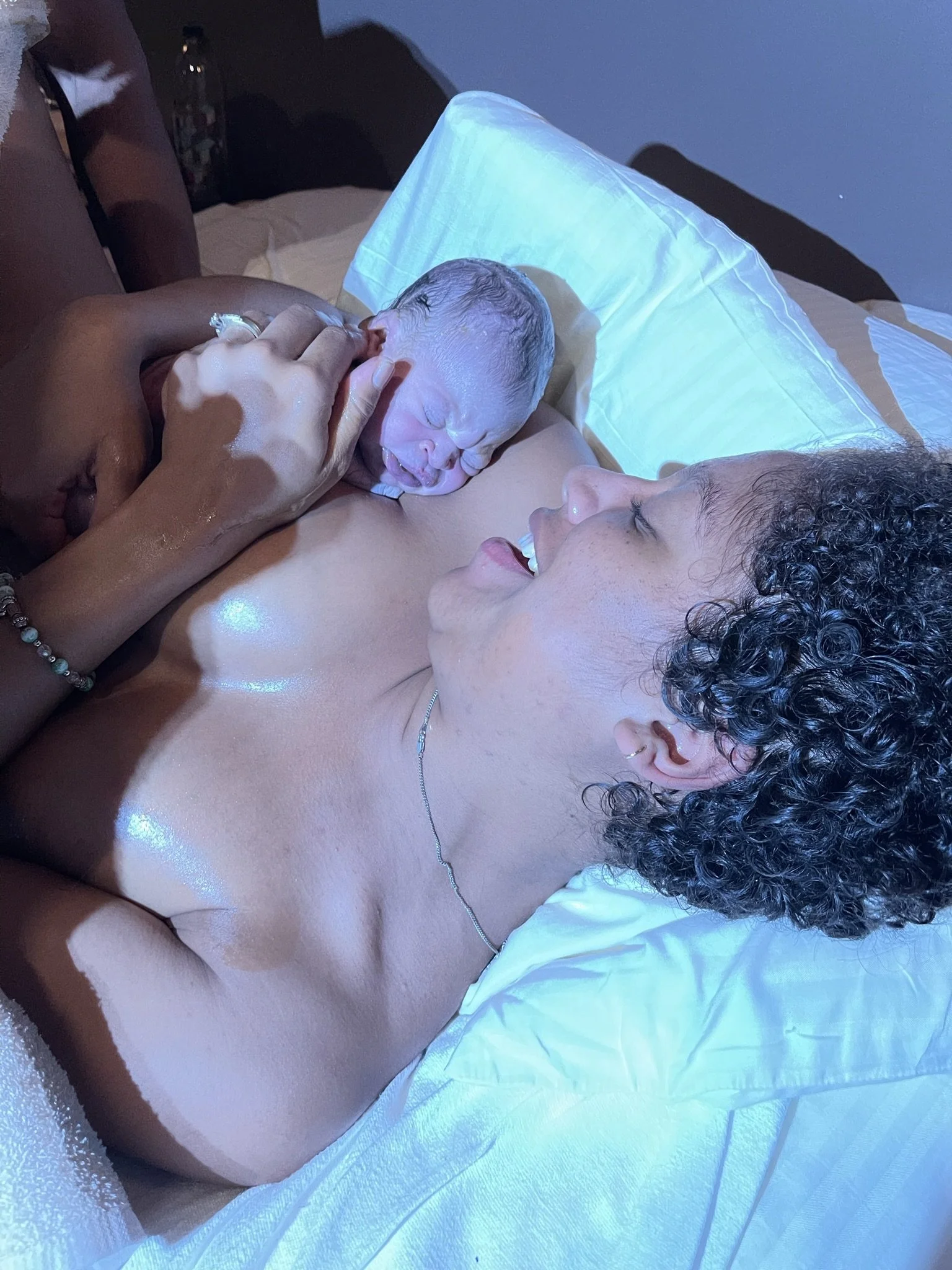
Janelle & Mivon perfectly timed their conception to align with their wedding day. They were able to share their pregnancy with their wedding guests as a sweet surprise.
The early stages of pregnancy were plagued with exhaustion and food aversions. Her midwife reminded her that the work of growing a baby was intense. This allowed Janelle to give herself grace for what she had considered “laziness.” Aligning their spirituality with their birth and parenting goals with the support of a spiritual doula helped them feel ready and calm.
After preparing for months through education, optimizing their physical health, and mental preparation, labor started one night, as it often does. A quiet moment of solitude brought Janelle gently into labor land as she practiced her breathing and tracked her contractions in the darkness. Eventually, they made it to the birthing center to determine progress and the next steps. Mivon, Janelle, and her mom started to create a peaceful environment and managed consistent contractions, and progressed through early labor. Time passed, and Janelle fell back into solitude when space allowed. During a heart rate check, the midwife captured a heart deceleration, and the baby's heart recovered quickly. More time passed, but her dilation had not changed, accompanied by another heart deceleration. The difficult conversation about the possibility of a hospital transfer was necessary. The midwife felt confident that the baby was ok and encouraged movement. Mivon and Janelle’s mother started to feel uncertain about their plans to stay at the birthing center. Janelle felt the shifts in the room. She trusted her intuition and stuck to the plan, and trusted in the midwife and Janelle. Prayer and shifting through position changes led to active labor and no more decelerations. Mivon’s hands would be the first to touch Baby Zara as Janelle pushed her out. Skin-to-skin started immediately with Janelle as they welcomed their child and the flood of emotions that would ensue.
Baby Zara would come earthside on her late uncle’s birthday, making her entry a blessing and a tribute. The term labor is fitting as the work for her to get here was intentional and intense.
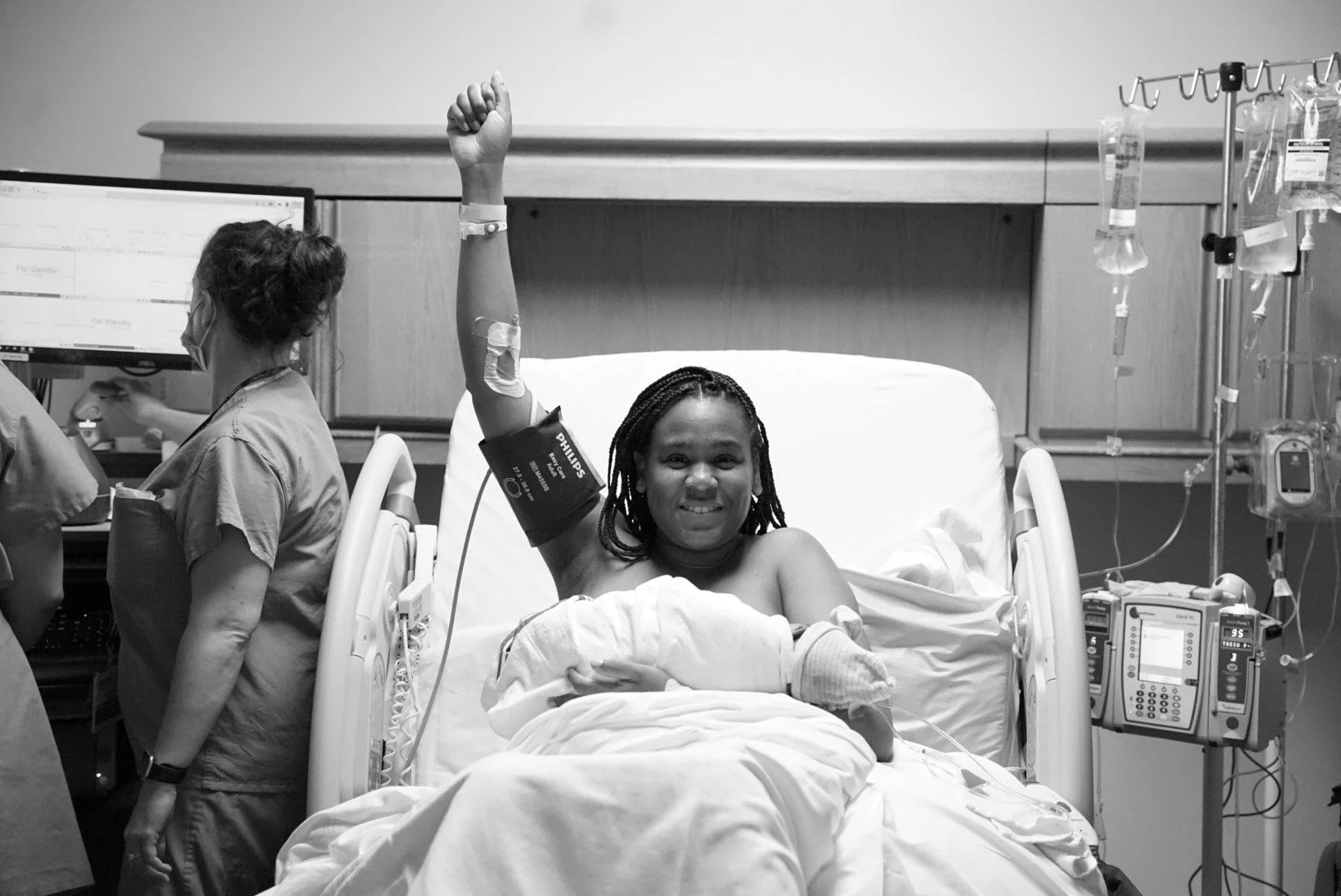
Celia Kelly Bouza and her husband, Terrell, welcomed two children in the last three years, while managing their busy careers at ESPN. Leading up to their son Axel’s pregnancy, they were met with a PCOS diagnosis for Celia and a miscarriage. The provider was supportive and helped them manage fertility support, and their journey was off to a great start.
However, upon arriving at the hospital, the nurses didn’t provide the support she had expected. There was a series of heart decelerations and position changes that led to an emergency surgical birth (belly birth) Things happened so quickly that the staff forgot to bring her husband along. He made it just in time as the surgery commenced.
After fertility challenges conceiving the first child, Celia and Terrell had no problems when they decided to expand their family again. Celia decided to hire a doula for additional support for her second pregnancy. She had experienced a dismissive provider about her extreme nausea early on, prompting her to change the medical team. Celia found her doula Whitley after a quick Instagram search. Whitley was forthcoming about her inexperience with VBAC as she met with Celia and offered her referrals to additional doulas. However, Celia felt they were the perfect fit due to her humility and their instant connection. This pregnancy through a few curve balls as they managed placenta previa, a slight increase in protein in the urine, and a couple of high blood pressure reads. The placenta previa would resolve itself but the other two issues led to an induction that triggered PTSD from her first birth experience.
Celia, Terrell, and Whitley arrived at the hospital for the induction. They were armed with deep knowledge of her medical records from Axel’s birth, empowered to make informed decisions, and a strong desire to have a redemptive birth.
After a rocky start, Whitley helped create an environment to help Celia relax and rest. That space of peace would be interrupted as her dilation and progress didn't match her expectations as the induction went on. The spiral started, and Celia’s mood shifted; her doula helped her recenter and reclaim her power in that moment of deep discouragement. They made some decisions about pausing the Pitocin and starting an epidural. The epidural placement did not go as expected. The anesthesiologist denied her reality when she told him it wasn’t working. She effectively banned him from her care team. The epidural was fixed, and she started to feel relief. Celia got her redemption by way of VBAC; despite the baby having a “true knot” and meconium present in the amniotic fluid, there were no complications. Celia was also able to find a space in healing about the loss of her mother in the same hospital she had just given birth in. A true story of redemption that has allowed her to feel a sense of wholeness.

Intentional family planning set up Deborah Woodson and her husband, Mike, for an empowering journey. Watching documentaries and reading articles about birth and, specifically, Black birth experiences helped bring the two of them in step with home birth planning.
Early morning bathroom trips hinted that early labor would start soon. However, after some nausea and a walk, the body shifts calmed down. Deborah’s mom was there and shared that she believed labor would start that day as she managed her stomach pains. Her mom was right, Deborah would lose her mucus plug that night, and intense contractions began. Her midwife advised that she rest and to contact her when things picked up. Deborah fell into labor land and frequently retreated within herself. Their baby girl arrived before the midwife. However, her husband, mother, and sister were present in the home. Shock kept her frozen as she waited for her midwife’s care. Mike held their daughter, sobbing with joy.
Deborah’s key takeaway from her first birth was learning that she could rely on her body. She became more aware of the intricacies of her body and how it changed. She felt good physically in the immediate postpartum period.
Less than two years after their daughter's birth, their family expanded again. Deborah struggled with the concept of expansive love for multiple children. The pregnancy was uneventful and without physical challenges. Deborah's hyperawareness about her body helped her know that her baby had shifted to a breech position. Her midwife helped her flip the baby through skillful maneuvering. Labor was a lot more painful as they discovered during the pushing phase he was malpositioned in LOT (Left Occiput Transverse). Once he was delivered, her baby was calm; the family bonded comfortably in their home.
Her second birth has helped her release the need to control and embrace flexibility. Parenting two young children comes with the need for patience and understanding of their individual needs.
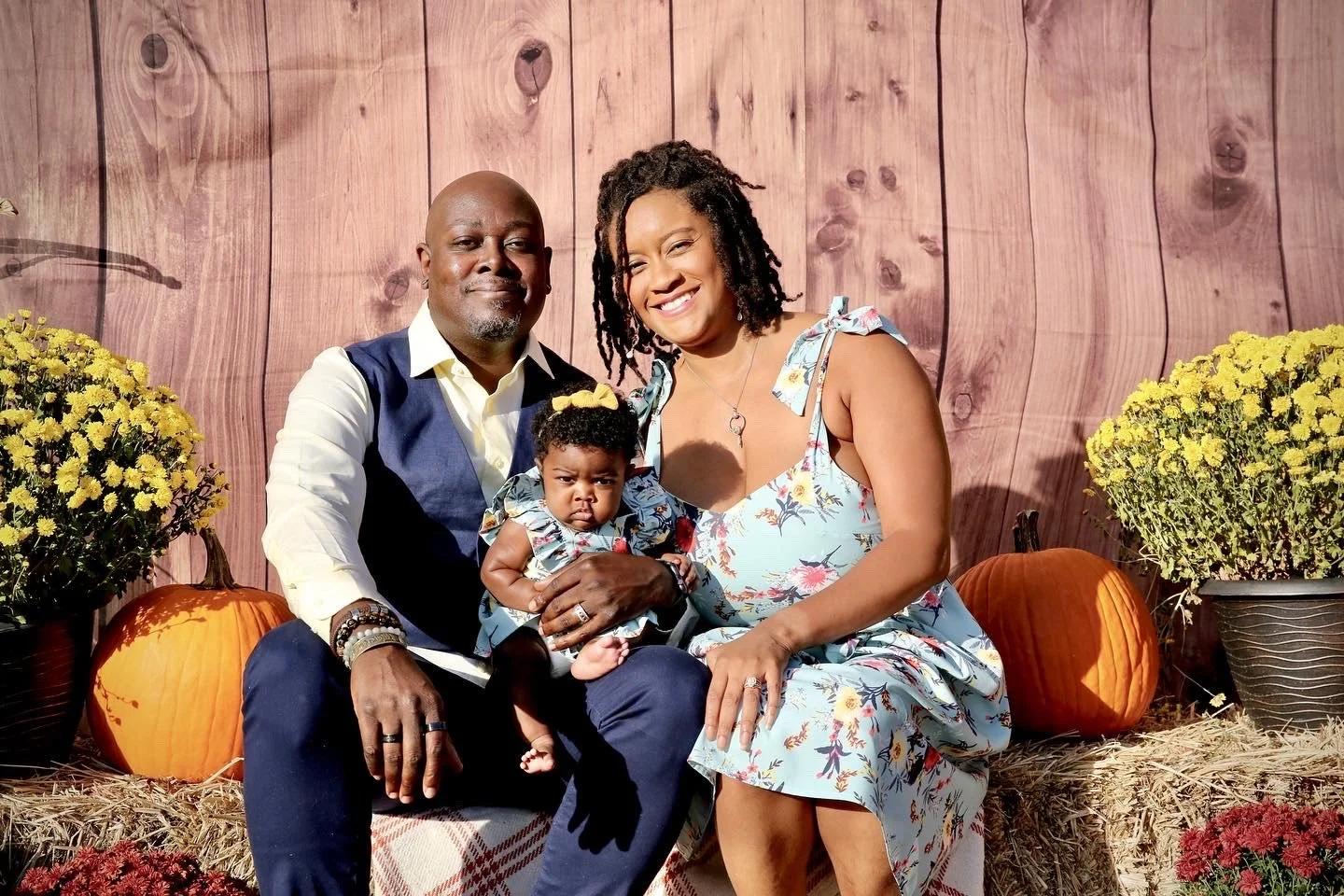
Yoga Instructor and traveling Occupational Therapist, Kelly Barnes shared her quicker than expected homebirth at 37 weeks. An experience she describes as "challenging, overwhelming, and rewarding all at the same time." Her expectations regarding when and how she would give birth were dismantled but the result was pure magic.
Kelly maintained an active lifestyle which included yoga and running throughout her pregnancy. Dual care with a certified homebirth midwife and OB. Envisioning a water birth was a focal point for Kelly as she embarked on her pregnancy. As a contingency, she enlisted dual care with a licensed professional midwife for the homebirth and an obstetrician to cover in case she needed to transfer from home.
Building up to her maternity leave, she loaded up on work to fully fund her maternity leave. As the nesting phase started to kick in she started to show signs of early labor. This sudden change caught Kelly off guard, and she wasn’t mentally or physically prepared for the baby to arrive. Her husband enlisted her sister to help her reconnect in mind and body to settle into the reality that she didn’t have weeks to prepare. Labor progressed as her husband scrambled to complete the homebirth checklist, thankfully, their doula was present to support her. The atmosphere shifted as her team slowly made their way to the home and set up the environment. Kelly managed labor with what was familiar to her, movement. She would live out her vision as she pushed her baby out.
Birth and motherhood are teaching Kelly that research is key, aligning with your care provider, and making informed choices.

In collaboration with Pacify Health, this month’s episodes will focus on the doulas. You’ll hear conversations with four Pacify Doulas, getting a chance to reflect on “ The Other Side” of birth. Today we meet Danielle Miller.
Danielle Miller was an established lactation counselor when the call to birth doula work pulled her in as a change agent supporting Black birthing people. She completed both birth and postpartum training, allowing her to build upon her skills. The first birth she attended felt like such an honor that she couldn’t believe she had waited to become a doula. The love for the work has determined her path, and feels purposeful. Witnessing babies come earthside has demanded she respect the process, not rush and allow.
Introducing virtual support to her practice with the Pacify app has further developed her skills to provide more mental guidance for her clients. Tapping into the ability to reach clients from wherever was uncomfortable but necessary. Now she embraces it as birth can call on mindfulness that connects with the body. Helping mothers and birthing people feel seen and heard during their pregnancy and labor is key to how they feel about their experience.
Danielle has coined the term “Pacify is the uber of doulas.” When her purple app lights up, she knows she’s about to connect with someone and can share information about birth. It provides an extra layer of protection for people not feel alone and helps them find their voice. The convenience of the app for doulas has helped her work/life balance. She is generally up with her newborn at night and has created a life for her family that allows her to support both in-person and virtually while being present at home.

In collaboration with Pacify Health, this month’s episodes will focus on the doulas. You’ll hear conversations with four Pacify Doulas, getting a chance to reflect on “ The Other Side” of birth. Today we meet Zoerina Ledwidge.
A college assignment captured Zoerina’s attention; it was a report on the maternal mortality rates in the DC area. She took into account the disproportionate findings regarding Black women. The report introduced her to the positive impact of doula support for birth. Zoerina discovered Mamatoto Village, where she was introduced to holistic perinatal care. After training there and attending births; she was instantly hooked. They offered opportunities to shadow experienced doulas at births and that helped build her confidence.
Zoerina balances the new ways of in-person and virtual support while anchoring in a holistic approach to birth. Initially, virtual support was tricky in developing a voice that was not in the birthing room with her first virtual client. There were lapses in communication now she feels like she has been able to get the kinks out. Letting go of her own expectations and allowing her presence alone to be the best thing she can provide for her clients. She helps her clients develop birth wishes instead of birth plans to ease their minds about what they want to happen; allowing them to surrender into the process.
Pacify’s virtual doula app has supported Zoerina’s passion for finding new ways to serve the black community. Because Pacify is available to all people with Medicaid in select states, it provides accessible care for Black people who may not be able to take on the expense. Over 50% of the doulas on the network are Black; culturally affirming and sensitive care is critical. This platform allows Zoerina and other doulas to answer questions that may not be addressed during prenatal visits regarding common discomforts and concerns. Many topics can be addressed during the doula calls; the importance of prenatal care, finding a doctor or midwife they trust, explaining the process of labor and birth, pain management and coping skills, bodily changes, and stress management are just a few.
A few takeaways from Zoerina - get a doula, there is a doula for everyone, and seek lactation support for infant feeding. Lactation consultants support formula feeding and breast/chestfeeding. Pacify offers both!

Yasmin had a natural inclination to work with babies at an early age. She thought she would be a gynecologist or pediatrician; the pain of seeing sick children shifted her career plans. She became a teacher instead, and her love for being an educator was helpful when choosing birth work. After training in birth and postpartum work, she included lactation and even explored a path to midwifery.
Working with Pacify has amplified the educational component of her doula experience. She can work with families through the app and can address prenatal questions and concerns. The ability to touch more lives via lactation and doula support through this medium blows her mind. It is not lost on her when she greets a Black or Brown parent who is excited to see someone who looks like them. Acknowledging parents that call Pacify that are Black and using doula support and breastfeeding resources is important to her.
When women have a baby, it may be the only time in their lives that people offer unsolicited help. Yasmin encourages new parents to ask about their family traditions surrounding birth and postpartum and for help with unexpected needs. Many cultures report healing practices about maintaining warmth in the birth giver's body and staying home in the first 40 days after birth. These traditions are major keys to Yasmin’s postpartum practice; she shares them with virtual and in-person clients.
Her doula journey continues to unfold; Yasmin is grateful to add her time with Pacify as priceless work. She feels supported by the team and valued as they provide a consumer-driven service and a space for doulas to make a difference for new parents and for their work to be deemed necessary.

In collaboration with Pacify Health, this month’s episodes will focus on the doulas. You’ll hear conversations with four Pacify Doulas, getting a chance to reflect on “ The Other Side” of birth. Today we meet Lare Ngofa.
Free-Spirited, science-loving Lare is a birth and postpartum doula who entered the birth worker world when she caught her baby cousin at age 16. She deepened her knowledge of holistic pregnancy care through education and family conversations, but she waited to move forward in the work as she wanted to explore other avenues.
While working through her career choices, her mother was diagnosed with cancer. Lare shifted gears to care for her and her autistic brothers. Unfortunately, treatment would not heal Lare’s mother as she passed away after a brief hospice stay. Lare refocused her intentions on what family and work would look like; as she managed the waves of grief. Lare finally trained as a doula with the support of her cousin and has developed a practice that features intuitive and holistic care in the Los Angeles area.
Supporting families in-person and virtually allows Lare and other birth workers to be accessible to families who want their services. Doulas spend a lot of time educating families on their options and encouraging them to give birth without fear. Lare found that her clients teach her new techniques and advice as well. One client taught her the value of a focal point in the birthing space and reminded her that she told her, ”Surrender or be dragged; surrender to this process or be dragged through it.” The connection between doulas, birth givers, and new parents can vary based on personalities and individual needs. This unique relationship helps build trust and confidence for birth and the subsequent parenting journey. Doulas can only take credit for the role required of them and how they show up in sacred spaces.
Choosing to connect and open up about our experiences and concerns about pregnancy and birth is developed by taking the first step of reaching out to a known resource. Every call will not be a deep and emotional conversation, but every call is a human connection. Working with Pacify has added value to Lare’s doula practice; she is now accessible to people who may not be within her reach financially or geographically.

This is a story about loss and rebirth; specifically what the Medical Industrial Complex deems a “near miss.” A maternal near miss occurs when someone nearly died but survived a complication that occurred during pregnancy, childbirth, or within 42 days of termination of pregnancy.
Consider where your mind, body, and spirit are sitting during the time you read and listen to this story.
Shawnise embarked on her third pregnancy with intentional care for herself and growing her family one last time. She managed her health and nutrition while raising her other daughters without complications in her pregnancy. A mother's quiet preparation had carried her through to term.
She planned a tubal ligation after the birth upon deciding that her family was complete. Shawnise understood that the procedure was simple and harmless, that would not be the case for Shawnise. Soon after delivering her daughter, she was rushed into the operating room for her procedure, not allowing time for skin-to-skin or initiating lactation. Post-surgery, she showed signs of severe illness over the next few days. The family immediately advocated for her care and informed her care providers that something was wrong and that she may be showing signs of infection. The response was not immediate and was dismissive at first. Her family pushed harder for emergent care; exploratory surgery began that night. Shawnise would spend two months in the hospital after being diagnosed with Congestive Heart Failure, Renal Failure, Perforated Bowel, Double Pneumonia, and Upper Respiratory Failure. Shawnise’s thoughts started to echo that she would not survive. Shawnise flatlined on the day before her expected discharge from the hospital. Her sister returned to the hospital and showed up in her scrubs from her job. She was mistaken for a staff member as they interacted with her in the room. Only discovering later that she was Shawnise’s sister after she passed out seeing her lifeless sister on the bed. Twenty minutes passed as Shawnise experienced a spiritual awakening in what she calls the Afterlife. She describes feeling the love and grace of God before being sent back home.
Trauma has a way of stealing joy from beautiful moments in our lives. You would never know that Baby Kensie’s birth was peaceful. It was perfectly normal. The pregnancy was beautiful. The family was strong then and even stronger today. Addressing her mental health has brought her to the point of sharing her story of triumph. Shawnise wakes up every day and can care for her children. Love helps her move forward and not look back.

Oona-Ife and Anthony were hosting friends at their home when they decided she should take a pregnancy test. She took the test because she had spent the night throwing up after a night of eating steak and butter pecan ice cream. They learned they were expecting a baby, and the news brought so much joy that they had to stifle their excitement from their guests. Anthony even snuck out of the house to shed a few tears as their lives were about to change in this season of expansion.
Despite a rocky start, Oona felt an abundance of self-love and support from her village, which left her with positive reflections regarding her pregnancy. Anthony made space during their journey to learn about what to expect during childbirth and was able to connect with other new and expectant fathers for support. He was intentional about his presence for prenatal visits and building relationships with their care providers.
Labor would gradually commence after a violent bout of nausea and vomiting one evening. Oona-Ife and Anthony would fumble around trying out some tried and true labor strategies that would end in a good laugh and an A for effort. Because they were having a homebirth they were in close contact with their doula and midwifery team about changes in contraction patterns, behaviors, and any concerns they had. As things picked up, their doula would arrive first to assess the scene and encourage them to call the midwife to the house. Laboring and birthing at home proved to be their best decision as it fostered comfort and ease that kept them calm. Despite some hiccups with their tub and a moment of familiar panic for those who needed to relocate during the transition, Oona-Ife would deliver their daughter safely in the water.
The midwives and doula would leave them to bond and care for their new baby and themselves. They would receive a caravan of support with family members arriving at different intervals to visit and provide care over the first month postpartum. Just as they started to get a rhythm at about eight days postpartum Oona-Ife would have severe headaches; she grew concerned regarding her own health. She would eventually go to the hospital for care after connecting with her midwife as her blood pressure elevated to dangerous levels. She would be diagnosed with Postpartum Preeclampsia and Covid-19. Thankfully, she centered her care and was able to heal with continued support from her family and providers.
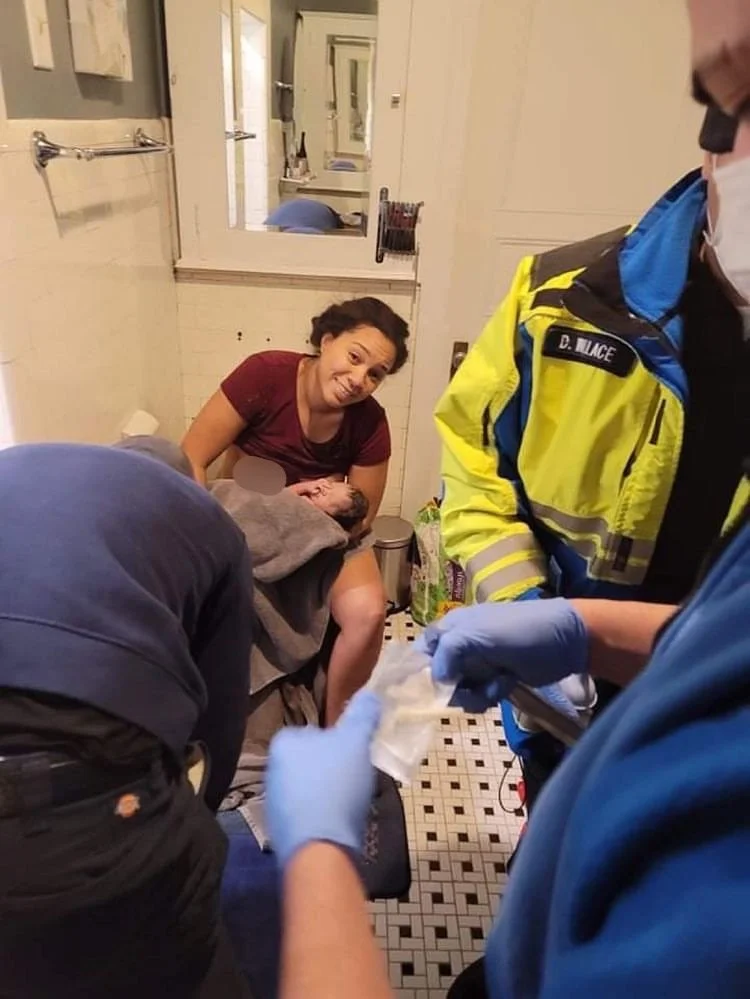
Gianna and Evan have welcomed three children into the world. The words joy, blessing, and purpose have marked each pregnancy and birth. They learned that they would be having a girl after the birth of two sons. Their daughter's birth would make her the first girl born on Evan's side of the family in over 100 years.
At 38 weeks and six days, Gianna would go into labor while preparing for the Super Bowl party they were hosting. She managed her surges and dismissed them as Braxton Hicks contractions increasing because she had been busy that day. After putting the kids to bed, she realized that she could be in active labor. In her solitude, she drifted into "laborland." Evan joined her and started timing her surges, they began to get ready to leave, and her water broke. The surges intensified as they waited for her cousin to arrive to be with the children. A few strong surges would pass, and they would notice meconium in the leaking fluid. Her midwife brain would click and shift her focus and alarm Evan.
The pressure would set in, and she had to determine if they would stay home or go. Baby Chloe decided for them and arrived with additional support for Evan from the 911 dispatcher. They knew they would still want to go to the hospital, as it was the original plan. The baby was fine and vocal as they awaited their transport to the hospital. The EMTs arrived and helped them get situated for the ride; the energy shifted as they thought they were coming to intervene in complicated home birth. She informed them that she was a midwife. Once they arrived at the hospital, Gianna would be in midwife mode and ready to be checked over and welcomed into L&D. Everyone was doing well except for a tear that would help her come back to her body and feel pain.
Postpartum planning happened prenatally, and that was helpful for the whole family. Evan and Gianna worked through a plan and garnered the support they needed. They were intentional about getting what they needed most, including paying for a Mom's helper, nutritional meals from a meal planning company, and in-home support from the women in their family. Communication every few weeks as they determined what they needed at each stage was a key to maintaining their sanity with three young children. Although they had a great birth and supportive care, postpartum anxiety became evident through symptoms like irritability. She connected with her therapist and is still navigating those waters with grace.
Charles Johnson shared his birth story that ended in the tragic, senseless, and avoidable death of his wife, Kira Dixon Johnson. Kira was a healthy 30-year-old woman in her second pregnancy when she trusted her vetted doctor and the reputation of an accomplished hospital system to ensure safe delivery of her child and her recovery. A rushed surgical birth that nicked her bladder caused internal bleeding; she lost her life after a series of pleas for support when she showed signs of hemorrhaging. Charles describes the formula that accompanies nearly every story of a Black woman losing her life in childbirth as, “We expressed our concerns, our concerns were dismissed or delayed, and by the time they did something, it was too late.”
The attending doctor, Dr. Naim, was later found negligent by the California Medical Board. Charles was inspired to keep fighting for better care and accountability. He founded 4Kira4Moms as a force multiplier in spreading the message of systemic change in medical care. This includes better care provider training, transparency, and accountability. The disproportionate impact of maternal mortality on Black women is at the center of his legislative advocacy, better doula and midwifery support, and increased awareness and education among fathers and non-birthing parents. Charles believes that revolutionary care is that there has to be a fundamental standard of care in this country for all birthing people and doctors, midwives, whoever is performing these services, and who's getting paid for these services, their compensation needs to be tied to their ability to meet that standard period.
Charles brought their baby home without Kira. He has faced fatherhood headfirst, allowing his sons to be his guiding force. They sustain him. They are the tools in his mental health toolbox, along with consistent therapy. He works for Kira's legacy and the future of change.